NONE
none
none

none
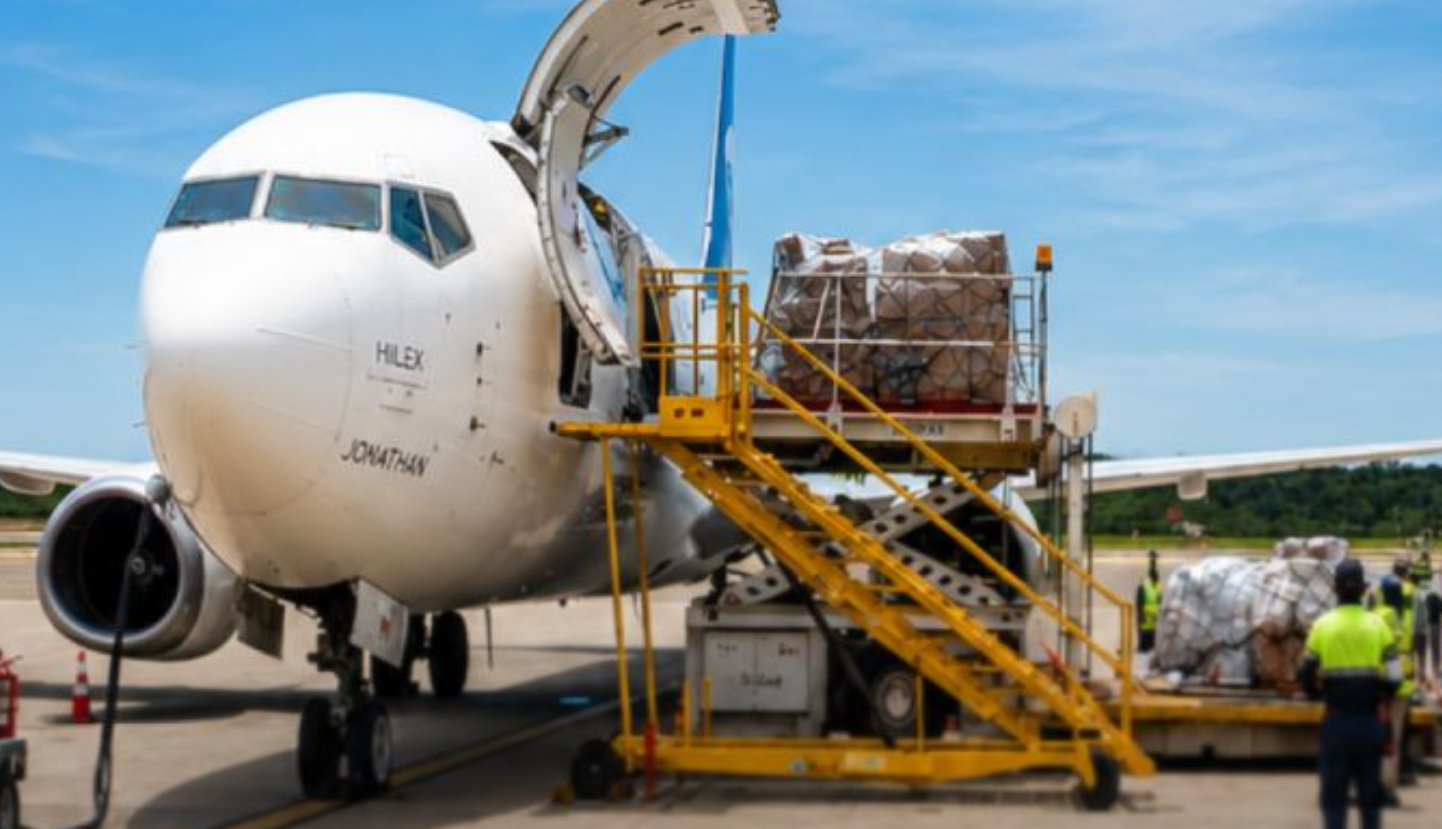
#DPWorld và các đối tác đã vận chuyển 27 tấn #ViệnTrợNhânĐạo từ Punta Cana đến các cộng đồng bị ảnh hưởng bởi động đất ở #Venezuela, sử dụng khả năng xử lý hàng hóa phối hợp, sự hợp nhất tình nguyện viên và khả năng vận chuyển của máy bay #UniWorldAirCargo để đẩy nhanh việc giao hàng khẩn cấp.
#DPWorld and partners airlifted 27 tons of #HumanitarianAid from Punta Cana to earthquake affected communities in #Venezuela, using coordinated cargo handling, volunteer consolidation and #UniWorldAirCargo aircraft capacity to accelerate emergency deliveries.
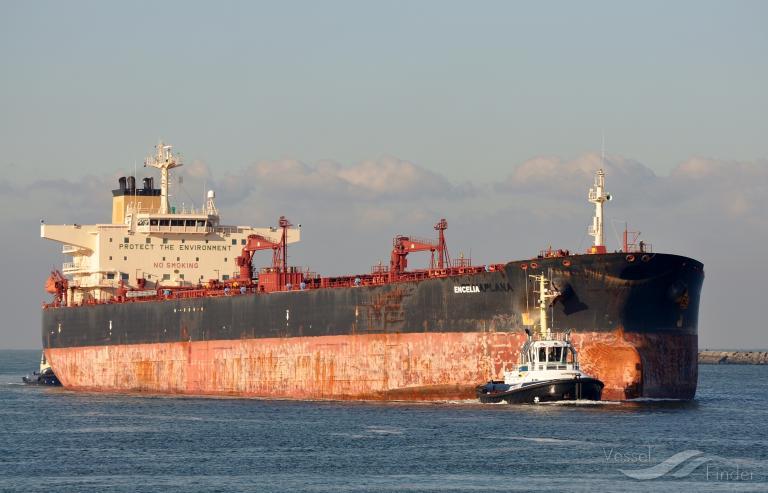
Lực lượng phiến quân Houthi của Yemen tuyên bố đã tấn công hai tàu chở dầu của Saudi Arabia ở Biển Đỏ, đây là lần đầu tiên nhóm này thực hiện một cuộc tấn công liên quan...
Yemen's Houthi rebel forces claim to have attacked two Saudi oil tankers in the Red Sea, the first time that the group has launched a strike in connec...
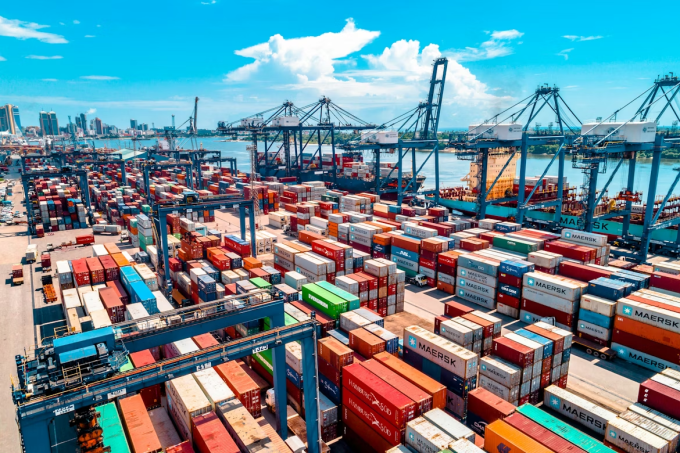
Theo phân tích mới từ Sea-Intelligence, vận tải container đã bước vào kỷ nguyên mới với năng lực bị hạn chế về mặt cấu trúc.
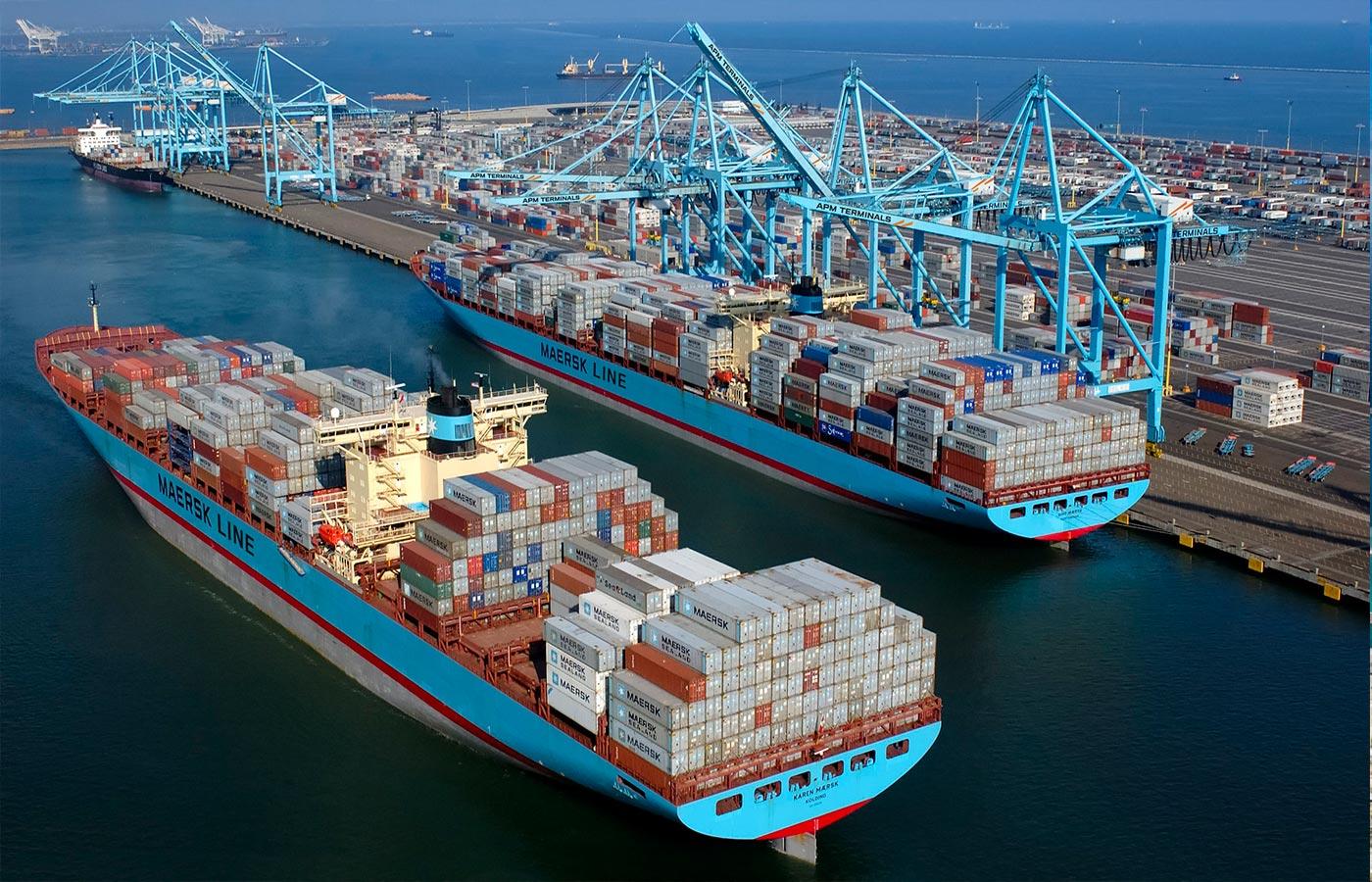
Cảng Los Angeles đã công bố số lượng container tốt nhất từ trước đến nay cho tháng Sáu, vượt qua mốc một triệu TEU để thiết lập một kỷ lục mới cho mùa...
The Port of Los Angeles posted its best-ever container volume numbers for the month of June, edging past the one million-TEU mark to set a new seasona...

A record-keeping guide for importers who need to preserve customs declarations, valuation support, origin documents, and technical files after clearance.
A practical explanation of how Incoterms affect cost, risk, document control, and customs planning for Vietnam import-export shipments.
A practical checklist for inspecting a used marine diesel engine before import, covering documents, photos, test evidence, accessories, and shipping preparation.
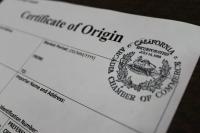
The e-CO was first introduced in Vietnam in 2018. Specifically, the e-CO system has been deployed on the platform of the Customs Department under the Ministry of Finance. This represents a significant step in promoting the use of digital technology and reducing paper-based procedures in the process of verifying the origin of goods.

Ban hành kèm Thông tư số 38/2015/TT-BTC ngày 25/3/2015 của Bộ Tài chính PHỤ LỤC II CHỈ TIÊU THÔNG TIN LIÊN QUAN ĐẾN THỦ TỤC HẢI QUAN ĐIỆN TỬ ĐỐI VỚI HÀNG HÓA XUẤT KHẨU, NHẬP KHẨU
PHỤ LỤC I (Ban hành kèm Thông tư số 39/2018/TT-BTC ngày 20/4/2018 của Bộ trưởng Bộ Tài chính) Thay thế Phụ lục II Thông tư số 38/2015/TT-BTC như sau: Phụ lục II CHỈ TIÊU THÔNG TIN LIÊN QUAN ĐẾN THỦ TỤC HẢI QUAN ĐIỆN TỬ VÀ CHẾ ĐỘ QUẢN LÝ ĐỐI VỚI HÀNG HÓA XUẤT KHẨU, NHẬP KHẨU (Ban hành kèm Thông tư số 38/2015/TT-BTC ngày 25/3/2015 của Bộ trưởng Bộ Tài chính)