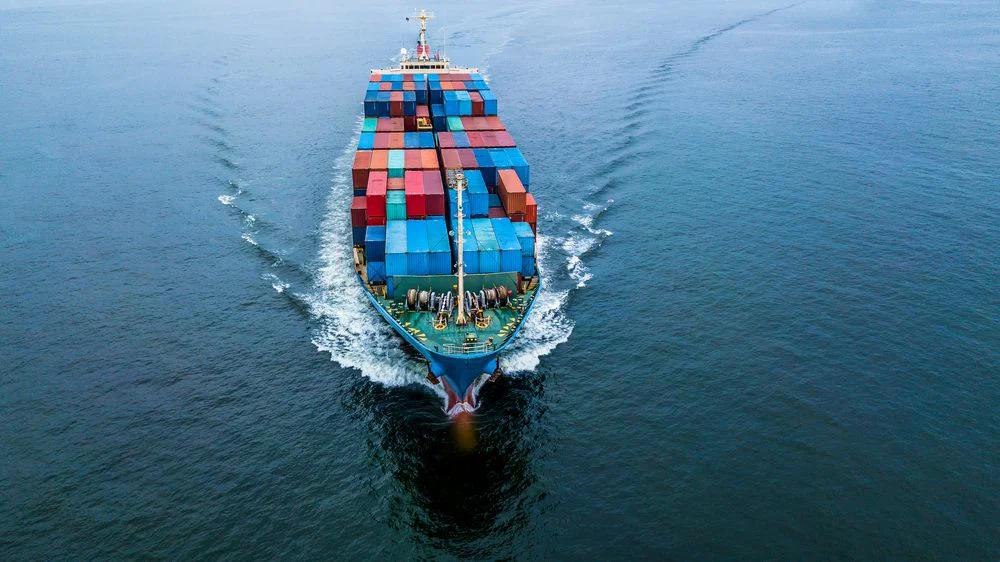
CARRIERS FACE ‘STRUCTURAL RESET’ AS CONTAINER SUPERCYCLE ENDS
Liner shipping’s descent into loss has been predicted repeatedly throughout the notoriously hard-to-predict 2020s. Now, however, the doomsayers are speaking in a louder voice.

Liner shipping’s descent into loss has been predicted repeatedly throughout the notoriously hard-to-predict 2020s. Now, however, the doomsayers are speaking in a louder voice.
Asian consultancy Linerlytica, for instance, has warned in its latest weekly report that container shipping’s cash windfall is about to dry up as the sector’s super-cycle comes to an end.
Japanese liner Ocean Network Express (ONE) set off alarm bells last week, reporting an operating loss of $84m and net loss of $88m in the fourth quarter of 2025, with CEO Jeremy Nixon conceding his company faces a “challenging operating environment”. Linerlytica has forecast that Maersk and Hapag-Lloyd will report negative operating profit figures for their liner shipping business units when their results are announced later this week. Capital discipline will be needed to avoid repeating the value-destructive boom-and-bust cycles of the past
“Freight rates have continued to slip ahead of the Chinese New Year holidays and the carriers’ ability to stop the rate slump will continue to be tested in the coming months,” Linerlytica suggested.
“Container freight is poised for a downcycle – putting downward pressure on rates and carrier revenue – as an unprecedented wave of new vessel capacity continues to enter the market,” states a recent report from container booking platform Freightos.
Drewry’s recently published 2026 Financial Health Check for liner shipping has warned that the sector is nearing a “structural reset” as freight rates normalise and pandemic‑era windfalls evaporate and a massive newbuilding orderbook delivers.
Liquidity has been bolstered by prior cash generation, but the UK shipping consultancy cautioned many carriers now rely on asset disposals, government support or refinancing to bridge funding gaps.
Drewry has urged liner companies to trade the boom mindset for tighter financial and operational stewardship to navigate a what it sees as an impending tougher, lower‑margin cycle.
American consultancy AlixPartners has also called on liners to maintain strict capital discipline this year.
“With freight rates reverting toward pre-Suez crisis lows and shippers pressuring liners to transition back to the Suez Canal, carriers must execute aggressively on cost-saving programs while managing capacity through slow-steaming and vessel idling,” the company advised, adding: “The carriers’ strong balance sheets provide a crucial buffer, but capital discipline will be needed to avoid repeating the value-destructive boom-and-bust cycles of the past.”
Much of this year’s liner fortunes will depend on how quickly the industry returns en masse to transiting the Suez Canal.
A large-scale return to shorter sailing distances via the Suez Canal would effectively free up 6-8% of global container shipping capacity, according to data from Xeneta, a freight rate platform.
A recent report from Danish consultancy Sea-Intelligence showed the demand in Q3 of each year on the basis of a Red Sea opening in early 2026, followed by a three to four-month transition period of operational congestion, as well as assuming a general 3% demand growth globally in 2026.
In this case, Sea-Intelligence sees global demand in teu-miles decline by 12% in Q3 this year.
Sam Chambers