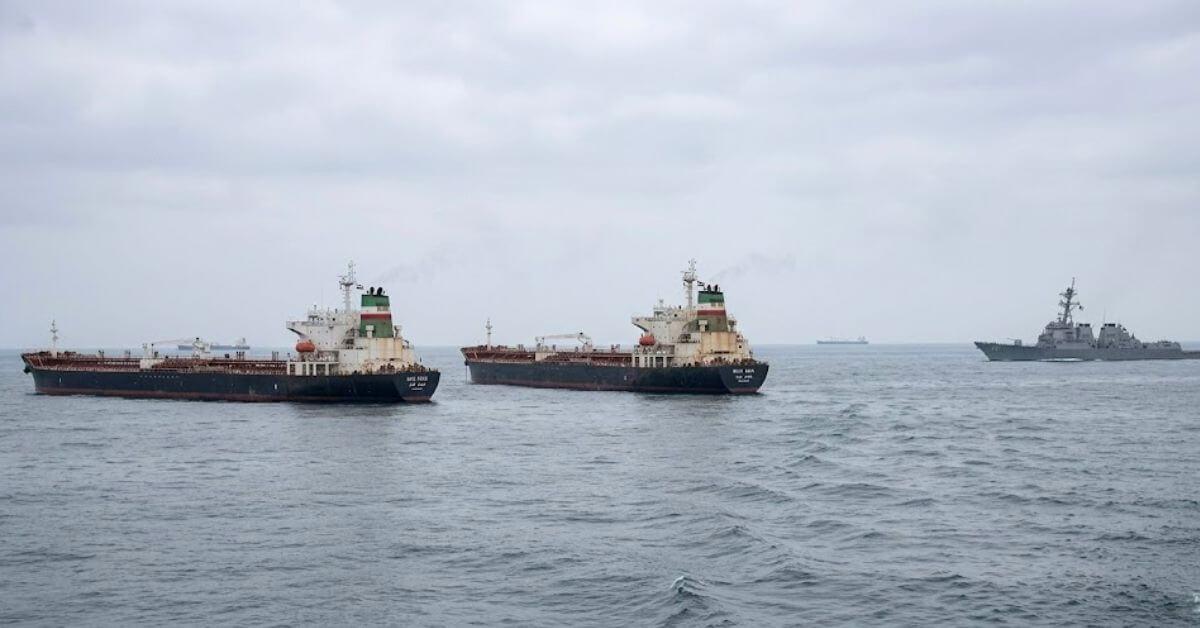
HORMUZ SHUTDOWN DRIVES UP BUNKER PRICES, WITH BROAD EFFECTS ON SHIPPING
Bunker prices around the world have soared in response to the crisis in the Mideast, as the shutdown of the Strait of Hormuz has disrupted oil suppli...
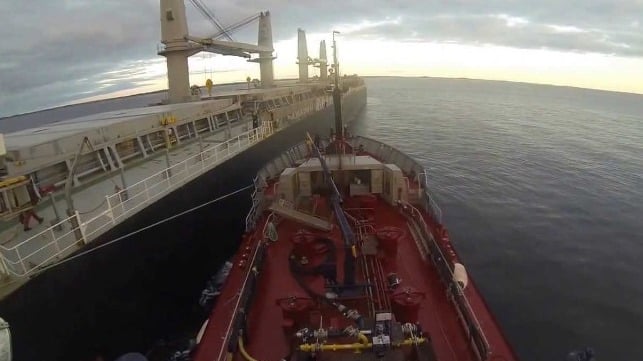
Bunker prices around the world have soared in response to the crisis in the Mideast, as the shutdown of the Strait of Hormuz has disrupted oil supplies to the most important refining and bunkering hubs. Prices in Singapore hovering above $1,100 per tonne - a price premium of more than 60 percent over Brent crude. Bunker fuel is normally cheaper than oil, but restricted crude supplies for refiners in the Indo-Pacific have inverted the normal relationship, yielding green-fuel prices for bunker-fuel products.
The supply shock emanating from the Mideast has created an unusual geographic distribution for bunker pricing. Fuel terminals with prompt transport linkage to the Asian market - from Fujairah in the east to Long Beach in the west - are all pricing bunker fuel at around $1,100 per tonne. Terminals further from Asia - Houston, New York, Rotterdam - are selling for about $320 less, a discount of about 30 percent.
Bunker trading is changing accordingly. Volume at Fujairah has fallen to the lowest levels since the COVID pandemic, according to Quantum Commodity Intelligence. Even future availability is uncertain at some key locations: Maersk is organizing its own effort to buy and move bunker fuel to places where it will be needed to supply its fleet, anticipating shortages for one of the world's top consumers of the commodity.
Stay on Top of the Daily Maritime News The maritime news
that matters most Get the latest maritime news delivered to your inbox daily. Subscribe Now
In Singapore, some traders say that they are staying out of the market for orders, as pricing is volatile. Some are rationing stocks and supplying only their best customers, they told Bloomberg. The market for marine gas oil is even more volatile: MGO has soared by 160 percent since the start of the conflict, tracking upwards with other middle distillate products like diesel and jet fuel.
The extra costs will eventually get passed on to charterers, cargo owners and consumers. For the most vulnerable consumer category - aid recipients - the increase in energy prices may mean hunger, according to the World Food Programme. Fertilizer prices are spiking due to the Hormuz shutdown, leading to rising food costs; bunker prices are up as well, augmenting the extra costs. WFP's forecasts suggest that if the crisis continues, there will be a roughly 20 percent increase in extreme hunger in parts of Africa, and a 25 percent rise in Asia. Import-dependent food markets like Sudan will be most exposed.
maritime-executive.com